Energy Fuels vacancies
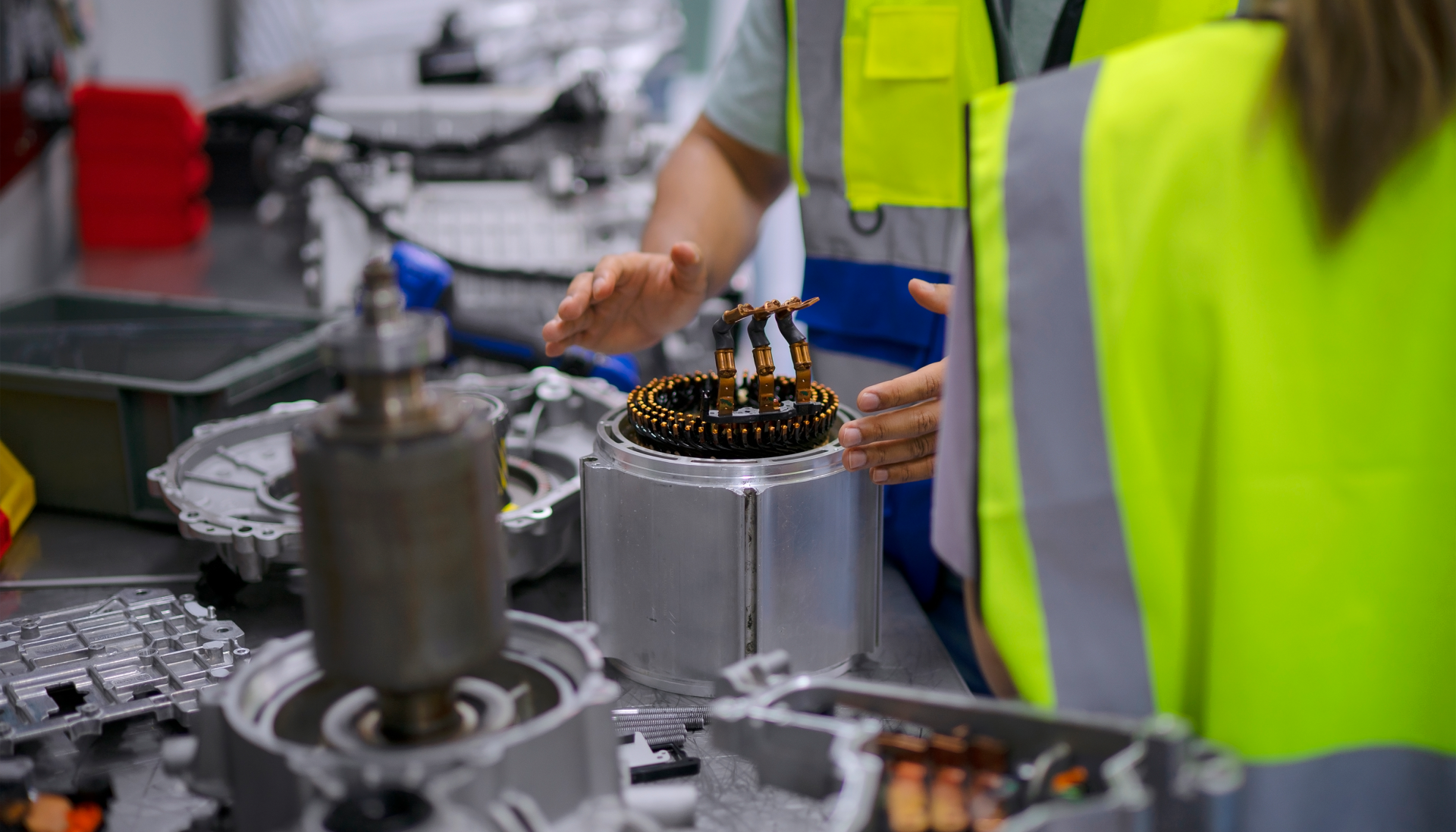
From uranium mine to magnet supply chain
Energy Fuels started out as an American uranium company and grew into the largest uranium producer in the United States. During the pandemic, its then leadership began looking further ahead. China already controlled more than ninety percent of rare earth elements, the raw material for permanent magnets used in everything from electric motors to fighter jets. The company recognised that dependency early. In Utah, Energy Fuels owns the only operating facility in North America able to process radioactive ore. It converted that plant to extract rare earth elements and has since been building a fully Western supply chain, from mine to magnet.
An integrated chain with a European base
When ore proved almost impossible to buy on the open market, Energy Fuels acquired its own mining projects on three continents. In 2026 the company moved downstream. The acquisition of Australian Strategic Materials brought a metal plant in Korea into the group. Later that year, Energy Fuels announced the purchase of Vacuumschmelze for two billion dollars: the only Western producer of permanent magnets, with four thousand employees and deep technical expertise in Hanau. Each link adds value. For one Australian project, net present value rises from 65 million dollars to 550 million once metal and magnet production are brought in-house. That makes the new division the company's largest source of revenue.
Working at Energy Fuels
From a new office in The Hague, Mike van Akkooi leads the division for rare earth elements and magnets. The organisation runs on an American entrepreneurial culture: act first, adjust later. That sometimes clashes with the European instinct to analyse thoroughly before deciding, and much of the work lies in bridging that gap. Newcomers will find growing pains and a management structure still catching up with the acquisitions. Against that stands rapid growth. When Van Akkooi joined in 2025, market capitalisation stood at 800 million dollars. By autumn 2026 it ranged between 3.5 and five billion, with an expected value of well over 30 billion once the full chain is operational. Vacancies at Energy Fuels contribute directly to the strategic independence of Europe and North America.